
How to Choose the Right Commuter Vehicle for SD&G Roads

A practical local buying guide from Seaway GM in Cornwall, Ontario

Daily commuting in Stormont, Dundas and Glengarry (SDG) is shaped by distance, weather, family schedules, and limited transportation alternatives.
Some drivers commute short distances within Cornwall, while others travel rural roads and highways every day. Add seasonal winter conditions and long-term ownership costs, and choosing the right commuter vehicle becomes a decision that impacts daily life for years.
This guide from Seaway GM in Cornwall walks SDG drivers through how to choose the right commuter vehicle based on real local driving patterns, available transportation options, evolving vehicle technology, and long-term value.
Understanding How People Commute in SDG
Before choosing a vehicle, it’s important to understand human behaviour around commuting in SDG.
According to Statistics Canada, residents outside major urban centres rely heavily on personal vehicles as their main mode of commuting. While public transport and public transit exist in limited forms, coverage and scheduling often make them impractical for full-time commuting.

For families, school commuting adds another layer of complexity. Parental barriers such as multiple drop-offs, time constraints, and limited transit options mean that flexibility and reliability are essential.
As a result, most SDG households continue to depend on a personal vehicle for daily travel.
As conversations around public transportation and traffic congestion continue to grow across North America, many commuters are rethinking how their daily driving choices impact both costs and sustainability.
While single-occupancy vehicles remain the most practical option for SDG commuters, improvements in fuel economy and the rise of Electric Cars are helping reduce environmental impact over a vehicle’s lifetime.
Technologies such as regenerative brakingallow electric vehicles to recapture energy during everyday driving, improving efficiency in stop-and-go traffic.
When combined with occasional active transport like walking or cycling, these choices support broader Sustainable Development Goals promoted by Sustainability Global initiatives, while also addressing concerns around sedentary lifestyles linked to long daily commutes.
Considering Alternatives Before Choosing a Vehicle
Some commuters explore sustainable transportation options before purchasing a vehicle.
These may include:
Public transit where available
Active transit such as walking or cycling for short distances
Ride-sharing platforms like the Rideshark app, which may offer ride-share discounts for eligible users

While these options can help reduce costs or environmental impact, they often work best as supplemental solutions.
Weather, distance between communities, and work schedules mean that for most SDG drivers, a reliable commuter vehicle remains essential.
Matching Vehicle Type to Your SDG Commute
Once alternatives are considered, choosing the right vehicle type becomes the focus.
Cars and Sedans
Cars remain a strong option for drivers who commute primarily on paved roads and highways.
They typically offer:
Strong fuel efficiency
Lower ownership and insurance costs
Comfortable highway driving

SUVs and Crossovers
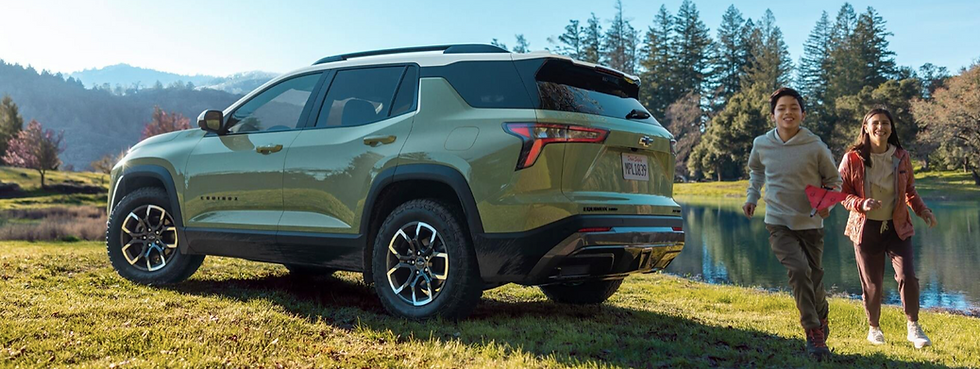
Many SDG commuters prefer SUVs for added visibility and winter confidence, especially on rural routes.
Advantages include:
Available all-wheel drive
Flexible cargo space
Better performance in winter conditions
The right choice depends on route length, seasonal conditions, and passenger needs.
Exploring Electric and Hybrid Vehicle Options
Interest in electrification continues to grow among SDG commuters.
Many drivers now compare traditional vehicles with electric vehicles, hybrid electric vehicles, and plug-in hybrids.
All-electric vehicles appeal to commuters with predictable routes and access to charging stations
Plug-in hybrids provide short-distance electric driving with gas backup for longer trips
Hybrid electric vehicles improve efficiency without requiring charging
Each option offers different benefits depending on driving distance, winter use, and infrastructure access.
Charging Access and Everyday Practicality
When considering an electric vehicle, access to charging stations is critical. Drivers who can charge at home often find electric vehicles easier to integrate into daily routines. Others may prefer hybrid solutions that reduce reliance on public charging.
Evaluating charging availability along regular routes helps ensure electrified vehicles remain practical year-round, especially during colder months.
Comfort, Technology, and Reducing Driver Fatigue
Long commutes place importance on comfort and usability. Features that matter most include:
Supportive seating and adjustable driving positions
Effective climate control systems
Intuitive infotainment technology
Advanced driver assistance systems can also help reduce fatigue on longer drives and highways.
Winter Readiness for SDG Roads
Winter commuting in SDG requires preparation. A commuter vehicle should handle snow, ice, and reduced visibility with confidence.

Key features include:
All-wheel drive or traction management systems
Heated seats and heated steering wheels
Remote start
Adequate ground clearance for rural roads
Winter-ready features help maintain consistent performance throughout the year.
Understanding the Full Cost of Ownership
Beyond fuel savings, commuters should consider the full economic cost of ownership over a vehicle’s lifetime. This includes:
Purchase price
Fuel or electricity costs
Maintenance and service
Insurance costs
Electrified vehicles may offer lower operating expenses in some areas, while traditional vehicles can provide predictable long-term ownership costs. Evaluating total cost helps commuters make informed decisions.

Test Driving With Your Real Commute in Mind
When test driving, replicate your daily drive as closely as possible:
Drive at highway speeds
Test braking and visibility
Evaluate ride comfort on uneven roads
Assess parking and maneuverability
The right commuter vehicle should feel effortless and comfortable, even on longer drives.
Choosing the Right Commuter Vehicle for SDG Roads
There is no single best commuter vehicle for SDG drivers. The right choice depends on commuting distance, family needs, infrastructure access, and long-term ownership priorities.
Whether choosing a fuel-efficient gas vehicle, a hybrid, or an electric option, understanding how you commute today is the key to choosing confidently for the future.
Find the Right Commuter Vehicle at Seaway GM
At Seaway GM in Cornwall, we help SDG commuters compare vehicles based on real local driving conditions.

Our team can assist with:
Comparing gas, hybrid, and electric options
Evaluating winter capability and efficiency
Reviewing financing and trade-in options
Visit Seaway GM in Cornwall or shop online anytime at www.seawaygm.com.

Shannon Lapointe combines her extensive experience as a therapist of 15 years with a robust expertise in social marketing, having successfully run her own company for the past five years. Leveraging her skills in digital communication, Shannon has seamlessly transitioned into roles that enhance online business growth. Currently, she excels as a Website Manager, Content Writer, and Marketing Manager, where she continues to assist businesses in expanding their online presence.

Comments